- Nov 14, 2025
- 8 min read
Tokenized Mediterranean Yacht Charters: The Optimal Investment Model
In the thriving Mediterranean charter market, smart ownership is evolving from one-boat-for-all to many. Tokenizing luxury yachts for fractional charter ownership unlocks access for a broad pool of investors. Each yacht is divided into digital tokens representing shares in the vessel and its charter income. This lets investors buy any slice they can afford – even a tiny one – rather than paying hundreds of thousands up front. Tokenization leverages blockchain so ownership records are transparent and tradeable, dramatically improving liquidity over conventional fractional schemes . In practice, token holders can trade their shares on a platform 24/7 or hold them long-term for charter revenue and resale gains. This model “lowers the barrier to entry” for yacht investment while giving participants secure fractional shares and even governance rights .
Tokenized Yachts vs. Conventional Ownership
Tokenization (our platform): By converting yachts into real-world asset tokens, investors co-own each boat through a blockchain ledger. This method offers several advantages. First, liquidity: tokens can be bought or sold on secondary markets, unlike traditional yacht shares. As one analyst explains, blockchain enables “real-time trading and improved liquidity… simplifying the process of buying, selling, and exchanging” ownership . Second, accessibility: our tokenization platform removes many intermediaries and high fees, since investors transact directly on-chain . Third, diversification: investors can spread capital across multiple yachts – even in different Mediterranean locations – reducing risk. By including previously unavailable assets, tokenization “enables individual investors to participate” and “diversify their portfolio” with smaller commitments . This means one token-holder might simultaneously own slices of yachts in Spain, Greece, and Italy, balancing seasonal demand swings.
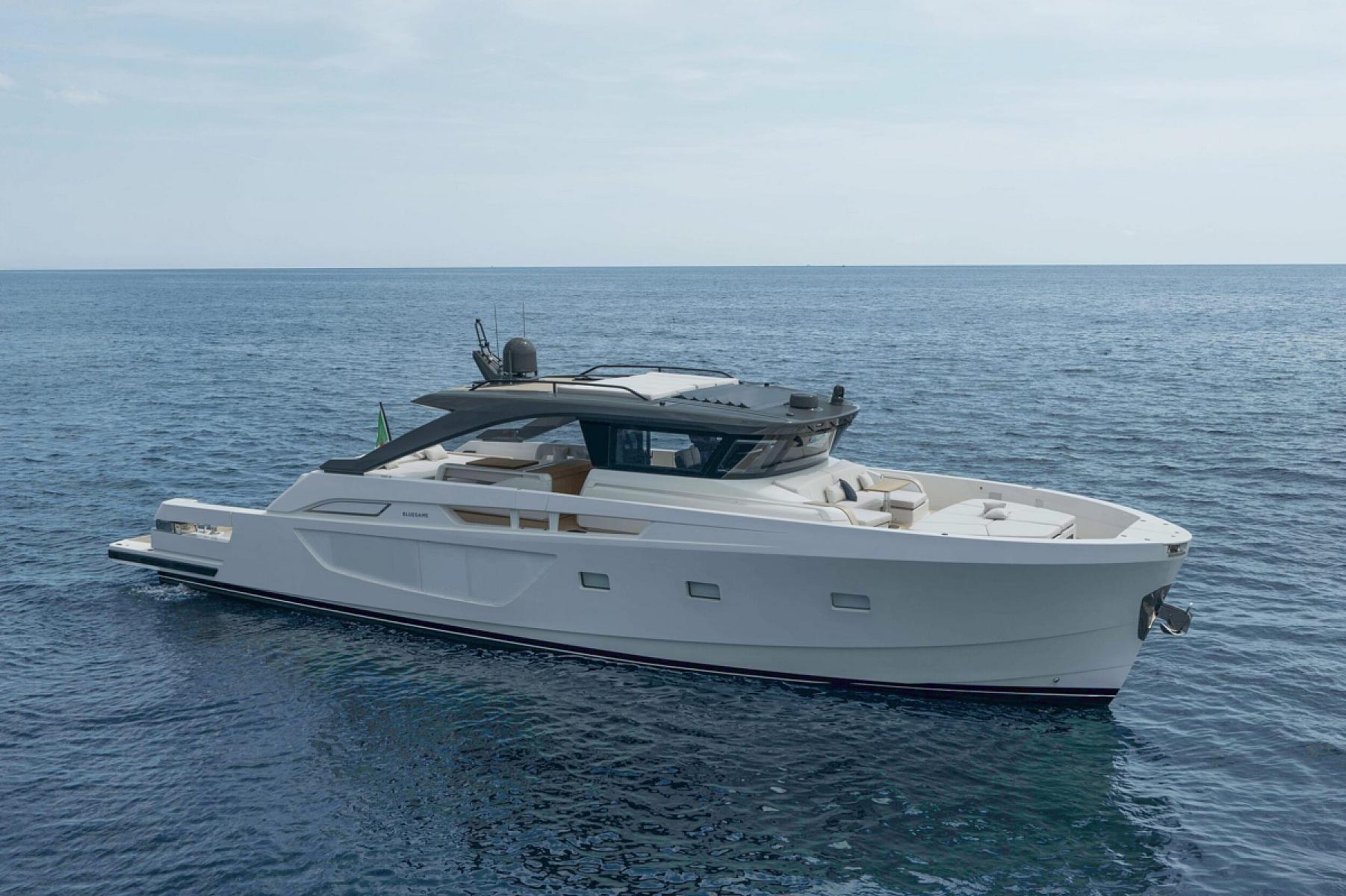
Traditional Fractional Ownership: Conventional fractional programs (like yacht co-ownership or clubs) let several people share a yacht, but they have rigid structures. For example, Dream Yacht’s fractional scheme sells 5-owner shares in a group of three rotating yachts. Owners pay about 20% of a yacht’s value for ~4 weeks’ use per year . This cuts costs versus full purchase and even ordinary charter. Fractional ownership “cuts costs” by splitting expenses and time , and often includes full management (no maintenance worries). However, it also limits flexibility. Time aboard is pre-scheduled, so spontaneous trips are seldom possible . Owners usually can’t personalize the yacht’s décor or itineraries , and if the majority decides to sell, every owner’s investment is liquidated, “and the proceeds get divided among them” . In short, fractional shares still tie capital up in a single boat (or a fixed small fleet), with usage rules and potential conflicts among co-owners.
Full Ownership & Chartering: Buying an entire yacht outright remains the most capital-intensive and complex option. A new mid-size superyacht can easily cost tens of millions, plus annual running costs of ~10–15% of its purchase price . For example, crew salaries alone may exceed €1–4 million per year, and marinas in hotspots like Monaco or Ibiza charge €500K+ annually for a 60m berth . As one expert notes, “the cost of owning a yacht extends far beyond its purchase price”: crew, refits, insurance, docking fees and more mean “ownership requires continuous investment and careful planning” . Chartering out the yacht can recoup some costs (covering 30–50% of expenses ), but full-owners also bear all the ups and downs of operations and market risk. There is no easy exit plan – selling a superyacht can take months or years.
Fractional and Direct Ownership: Pros & Cons
Entry cost: Full ownership demands huge capital (multi-million €). Fractional requires a substantial lump (often >20% of a yacht’s value) . Tokenized shares allow any budget: investors can buy one token or a hundred, making luxury assets accessible to many.
Control and usage: Whole owners enjoy full control and unlimited use, but pay full costs. Fractional owners trade flexibility (fixed weeks, no customization ) for cost savings . Token holders generally do not get individual weeks to use the yacht; instead, they earn share of charter revenues. This shifts the model from a vacation club to a passive income investment.
Costs and complexity: Owning or co-owning yachts still involves complex maintenance and management. Fractional programs often hide expenses (like maintenance or insurance) inside fees , but these can later surface. Tokenization platforms, by contrast, typically handle operations under the hood and distribute net charter income proportionally to token holders. Administrative costs are shared transparently.
Liquidity: Whole yachts are very illiquid assets. Fractional shares have limited secondary markets (selling a boat share often means selling the whole yacht first). Blockchain tokenization is designed for liquidity: shares (tokens) can be traded peer-to-peer or on exchanges .
In summary, traditional fractional schemes do lower barriers somewhat but still lock investors into rigid structures and single-yacht risk. Buying outright is a large, illiquid bet. Tokenized yacht investments combine the cost-sharing benefits of fractional ownership with unprecedented flexibility and diversification.
Diversification: Spread Risk Across Yachts and Seas
One of tokenization’s greatest strategic advantages is the ability to build a diversified fleet of investments. Rather than placing all capital in one vessel (or one market), investors can allocate small amounts to dozens of yachts across the Mediterranean. This follows sound investment wisdom: splitting capital among uncorrelated assets yields steadier returns . For yacht investments, locations and seasons are key factors. Demand peaks in summer along the French Riviera, Italy’s Amalfi Coast or Spain’s Balearics; it shifts to Greece or Turkey in shoulder seasons. An investor can hold tokens in yachts based in multiple regions, so they benefit from multiple peak windows and reduce weather or regional risk.
Academic and industry analyses stress the benefits of diversification. As one portfolio strategist notes, mixing independent assets “maintains average returns while still lowering overall portfolio risk” . Tokenization makes this practical: for example, an investor could buy 100 EUR worth of tokenized shares in each of 20 different Mediterranean yachts. Instead of one big expense, the investor owns small slices of multiple charter income streams. If one area underperforms (say, a rainy summer in one harbor), income from other yachts can compensate. This also smooths the overall return profile – akin to how combining stock, bonds, and real estate can stabilize a financial portfolio.
Finally, from a revenue perspective, the Mediterranean is one of the world’s richest charter markets. Peak summer charter rates can be very high – often doubling or even tripling normal prices during July and August . By having stakes in multiple yachts spread across the Med’s top hotspots, token investors can capture more of that high-season yield. As one industry guide notes, “charter income during peak seasons can be substantial” and is a primary return driver for yacht investors . Tokenization enables investors to tap into this multi-boat, multi-season income strategy with far less capital and hassle than traditional methods.
Why Tokenization is Best-in-Class
Compared to conventional options, yacht tokenization stands out as the superior investment vehicle for several reasons:
Accessibility and Fractional Freedom: Anyone can become a partial yacht owner through tokens. This democratizes access much more than closed fractional schemes. Investors need only buy the number of tokens they afford; they’re not locked into fixed blocks of ownership .
Liquidity and Trading: Unlike static fractional clubs, token shares can be traded 24/7 on regulated platforms. This “unlock[s] liquidity in previously illiquid investments” , meaning investors can exit or rebalance their positions without waiting for a full yacht sale.
Operational Simplicity: The platform handles all yacht acquisition, management, insurance and chartering. Token holders simply receive dividends (charter income) proportional to their share, with transparent accounting on blockchain. This “streamlines transactions… with secure settlement” while maintaining rigorous compliance .
Diversified Income: Because tokens allow investing in multiple vessels, investors achieve better risk-reward than owning one yacht. It’s true that “wiser diversification… builds more efficient and better-optimized portfolios” . Tokenization inherently supports this by offering portfolios of yacht tokens.
Technological and Legal Framework: Modern token platforms use SPVs and smart contracts to ensure clear legal claims for owners. Blockchain backbones create “encrypted, clear, and tamper-proof” records . With proper KYC/AML procedures, this model has gained traction and regulatory acceptance internationally.
In contrast, traditional fractional plans have more hidden drawbacks (limited usage windows, potential conflicts, and often non-tradeable shares), and full ownership is the most capital- and labor-intensive. Tokenized investment in charter yachts — especially via a dedicated platform — addresses these issues head-on.
Conclusion
Investing in tokenized charter yachts in the Mediterranean offers a rare combination: low entry cost, broad diversification, and professional management, all wrapped in high luxury appeal. By dividing yachts into digital tokens, our platform extends superyacht investment to small and large investors alike, while mitigating risk through portfolio construction . The result is a smarter, more flexible path to benefit from Mediterranean yachting’s booming charter market . In summary, tokenization is not just a tech buzzword — it is the next-generation ownership model that makes yacht investment scalable, transparent, and efficient far beyond what traditional fractional or outright buying can achieve.
Sources: Authoritative industry and financial sources on yacht charter economics, fractional ownership, and asset tokenization were used to compile this analysis . Each citation corresponds to a point in this article.