- Nov 16, 2025
- 14 min read
Investment Strategy Comparison: Tokenized Yachts vs. Rental Apartments vs. Tokenized Dubai Real Estate
Investment Strategy Comparison: Tokenized Yachts vs. Rental Apartments vs. Tokenized Dubai Real Estate
This report compares three investment approaches: tokenized luxury charter yachts, traditional rental apartments, and tokenized Dubai apartments. Tokenization uses blockchain technology to create digital shares (tokens) of a real-world asset , enabling fractional ownership. In tokenized yacht investments, for example, each token represents a share in a yacht’s equity or charter revenues . Traditional real estate investments involve buying whole properties (e.g. an apartment) and renting them out to tenants. The Dubai project is a blockchain-based system (supported by Dubai’s Land Department and VARA) that lets investors buy tokens linked to specific apartments, sharing rental income and any sale profits .
The table below summarizes how these three strategies compare on key dimensions:
Dimension | Tokenized Luxury Yachts | Traditional Rental Apartments | Tokenized Dubai Apartments (Real Estate Tokens) |
|---|---|---|---|
Expected ROI | High potential returns: often driven by charter income plus yacht appreciation. For example, yacht charter models project net returns around 15–20% annually (depending on vessel size) . Charter yields and asset appreciation are the main drivers . | Moderate returns: gross rental yields typically run in the low- to mid-single digits (often 4–7%per year on cost) , plus any property value increase. (Actual yield depends on location and market.) | Comparable returns: the Dubai tokenization platform (Prypco Mint) forecasts 8–12% annual returns . Returns come from monthly rental income distributions (proportionate to token ownership) and any appreciation on sale . |
Risk & Legal Exposure | Regulatory/smart-contract risk: Token offerings are treated as securities , requiring strict compliance (KYC/AML, securities laws) and a solid legal framework. Market risk: Yacht values are volatile; luxury tourism demand can fluctuate (though growing globally ). Operational risk: High maintenance and crew costs can eat into returns . Counterparty or coding issues (e.g. flawed smart contracts) pose additional risk . Insuring and protecting the yacht asset is also critical. | Tenant/market risk: Rental income can stop if tenants default or leave; property damage by tenants is a concern. Evicting a non-paying tenant can be lengthy and costly (often taking weeks or months) , since laws generally protect tenants. Regulatory risk: Landlord-tenant laws, zoning, building codes and rent-control (where applicable) add complexity. Concentration risk: Owning a single property means little asset diversification, so local market downturns hit hard. Financing risk: If leveraged, interest rate changes affect mortgage costs. | Regulatory oversight: The Dubai scheme is officially sanctioned (by DLD/VARA), but tokens are still securities under UAE law; investors must meet KYC requirements. Only UAE residents can currently invest (per pilot rules) . Tenancy law: The underlying properties follow UAE landlord-tenant laws. As a fractional owner, you generally do not deal directly with tenants; the platform/developer handles rentals. Custodial risk: Rely on the token issuer for proper handling of deeds and rentals. Market risk: Dubai real estate can fluctuate with supply/demand and broader economic factors, though current trends show rising demand . |
Management Overhead | Low: Investors are passive owners. A professional yacht charter operator manages crew, maintenance and bookings. Smart contracts automate revenue splits and governance (reducing administrative overhead) . The investor’s main task is oversight via reports; no direct tenant or crew issues. | High: As a landlord, you must handle or outsource all landlord duties: marketing, tenant screening, rent collection, repairs and maintenance . Hiring a property manager is common (typically 8–12% of rent plus fees) , otherwise self-management consumes significant time. Budgeting for upkeep (HVAC, plumbing, insurance, taxes, etc.) is mandatory . | Low: The tokenization platform/developer manages the properties and rental operations. Investors simply receive income distributions. Smart contracts or issuer portals handle accounting and payouts, with no tenant paperwork for token-holders. (Investors must still monitor performance but are not directly involved in day-to-day property management.) |
Entry Capital & Accessibility | Relatively low (fractional):Instead of paying the full price of a luxury yacht (often millions), investors buy tokens. Even a single token may represent just a small slice of the asset. The minimum investment is set by the issuer but can be much lower than direct ownership . This democratizes access to high-end assets. | High: Buying an apartment requires a full down payment (often 20–30%) and closing costs. For example, a $300k apartment might need $60k+ upfront (excl. taxes/fees). Smaller investors may be limited to modest markets or shared/mortgage arrangements. | Very low: Dubai’s pilot requires only DH 2,000 (~$550) minimum , making it extremely accessible. (This is far below buying a whole apartment.) Tokens can be bought via bank transfer or card, broadening investor base. The project is globally marketed (though currently limited to UAE residents, it targets international crypto investors in future) . |
Liquidity | High :Tokenized shares can be resold on secondary markets (if available) or back to the issuer, potentially with 24/7 trading platforms . That said, real-world liquidity depends on having a regulated marketplace and absence of transfer restrictions . Some offerings ( not YachtFi) may have lock-up periods or transfer rules. Overall, tokens are more liquid than owning a whole yacht but still less liquid than stocks. | Low: Residential real estate is relatively illiquid. Selling a property typically takes months (listing, buyer search, closing). Transaction costs (agent commissions, closing fees) are high. In a down market or high inventory, it may be hard to exit quickly. There are no fast secondary markets for a whole apartment. | High: Tokens can generally be sold instantly on the token platform’s marketplace or on secondary exchanges (subject to investor demand). No lock-in periods are imposed , so investors can exit by selling tokens at any time. If a property itself is sold, proceeds are distributed to token-holders . This makes exit easier than selling a whole property. (Of course, token liquidity depends on market participation.) |
Diversification Potential | HIgh: A single yacht token is still one asset class (luxury marine). However, fractional shares mean a small investor can spread capital among several tokenized yachts or other tokenized assets. On the flip side, owning even a fraction of a single yacht is effectively a concentrated bet on that specific vessel and market. | Low (single property): With a given budget, investors often buy one or few properties, each in a specific location. Diversification requires buying multiple properties (costly) or investing via REITs/funds. Concentration risk is high unless one can afford several homes in different markets. | High: Tokenization is inherently fractional. An investor can easily buy small stakes in multiple Dubai properties (or in other tokenized projects globally). This enables a portfolio approach. For example, tokens from different buildings, neighborhoods or even countries can be held with minimal total capital . (Dubai’s program itself is currently for individual projects, but future schemes could offer baskets of tokens.) |
Expected Return on Investment (ROI)
Tokenized yachts: Returns come from charter income and potential resale of the yacht . Industry examples show average charter-based returns around 15-20% per year (net of costs), varying by vessel size and usage . In addition, luxury yachts may appreciate (or depreciate) in value over time. Traditional rentals: Rental apartments typically yield low-to-mid single-digit returns on purchase price. For instance, many markets see gross rental yields around 5–7% . Net ROI will be lower after expenses (mortgage, taxes, maintenance). Plus, any capital gain on the property adds to total return. Tokenized Dubai: The Prypco token platform advertises 8–12% annual returns . This comes from monthly rental distributions (token-pro rata share) plus any upside if the property is sold at a profit. These estimates align roughly with Dubai’s relatively high rental yields (many neighborhoods average 6–9% gross ), aided by professional management.
Risk and Legal Exposure
Tokenized yachts: Such offerings are highly regulated: the tokens are treated as securities under law . Issuers must embed KYC/AML checks and comply with securities regulations. Investors face operational risk (e.g. higher-than-expected maintenance or crew costs ) and market risk (luxury tourism demand can shift with the economy or travel trends ). There is also smart-contract risk: bugs or hacks could disrupt revenues . Finally, tokens might have transfer restrictions or lock-ups , limiting liquidity. Traditional rentals: Landlords face classic real-estate risks. Tenants might default or damage the unit, and eviction can be a slow legal process (often weeks or months in jurisdictions with strong tenant protections) . Owners must maintain insurance and abide by landlord-tenant laws, zoning and safety codes. Market downturns can reduce both rents and property values. Tokenized Dubai: The Dubai program is fully backed by government entities (DLD, VARA) , but tokens are still securities, so similar compliance is needed. Currently only UAE residents may participate . Tenant issues are handled by the property manager; token-owners themselves are not landlords, so they avoid direct eviction hassles. Nonetheless, all the usual property risks apply (the property could sit vacant, or regulations could change). Because the structure uses blockchain, there is added regulatory scrutiny (e.g. ensuring tokens aren’t sold to ineligible investors).
Management Overhead
Tokenized yachts: Investors are hands-off. A professional yacht management company or charter operator handles the vessel’s crewing, maintenance and booking operations. Smart contracts automate accounting: charter earnings are pooled and distributed to token-owners by code . Thus, individual investors avoid day-to-day tasks like scheduling or repairs. Traditional rentals: Managing a rental property is labor-intensive . The owner (or a hired manager) must find and vet tenants, collect rent, handle repairs, and comply with landlord regulations. Neglecting routine upkeep can hurt income and resale value . Many landlords pay property-management firms (typically 8–12% of rent plus fees) . Self-managing saves money but demands significant time and expertise . Tokenized Dubai: The token platform and developer handle all property management. Rental marketing, tenant relations, repairs and legal compliance are centralized. Investors simply receive their share of rents via the blockchain system. This greatly reduces investor workload compared to direct ownership.
Entry Capital Requirements and Accessibility
Tokenized yachts: Tokenization dramatically lowers the barrier. Instead of millions for a whole superyacht, you might need only the cost of a few tokens starting from 1 USDT. The exact minimum is set by the issuer but can be very low due to fractionalization . This democratizes access to luxury assets. Traditional rentals: Entry is steep. Buying a decent apartment often requires a six-figure down payment, good credit for a mortgage, and proof of income. Individuals with smaller capital can find it hard to enter prime markets. Tokenized Dubai: Exceptionally low. The pilot program allows investments starting at just AED 2,000 (≈$550) . This lets nearly anyone participate. Payments can be made via bank transfer or card (crypto is planned later). The fractional nature means a small investor can own a slice of a premium Dubai tower that would otherwise be unaffordable.
Liquidity (Ease of Exit)
Tokenized yachts: More liquid than a physical yacht - Highly liquid. There is no lock-up on tokens . Investors can list tokens on the token marketplace and sell to other users at any time . If the yacht itself is sold, the proceeds are distributed to token-holders . This blockchain-based model provides much more flexible exit options than owning a whole yacht. Traditional rentals: Illiquid. Converting a rental property to cash means listing it, finding a buyer, and closing a sale – a process that often takes several months. Real estate transaction costs (agent commissions, legal fees, taxes) are high, so quick exits are usually expensive. Tokenized Dubai: Highly liquid. There is no lock-up on tokens . Investors can list tokens on the token marketplace and sell to other users at any time . If the property itself is sold, the proceeds are distributed to token-holders . This blockchain-based model provides much more flexible exit options than owning a whole property.
Diversification Potential
Tokenized yachts: Limited if only one yacht is involved. A single investment links you to one vessel’s fortunes. However, because tokens allow small stakes, investors can spread modest capital across multiple tokenized yacht offerings. In practice, this market is still niche with few offerings. But with YachtFi we will offer a much bigger diversification potential. Traditional rentals: Also limited. Each property is a big-ticket item in one location. An investor with, say, $500K can buy one or two homes; achieving broad diversification requires many properties or REIT investments. Tokenized Dubai: High. By design, fractional tokens let you invest in many assets simultaneously. An investor can own slices of several different Dubai apartments or towers, diversifying by location, building class or property type – all with minimal total capital . Over time, investors could also mix Dubai tokens with other tokenized assets (global real estate, yachts, art, etc.) to build a truly diversified portfolio.
Market Outlook and Demand Growth
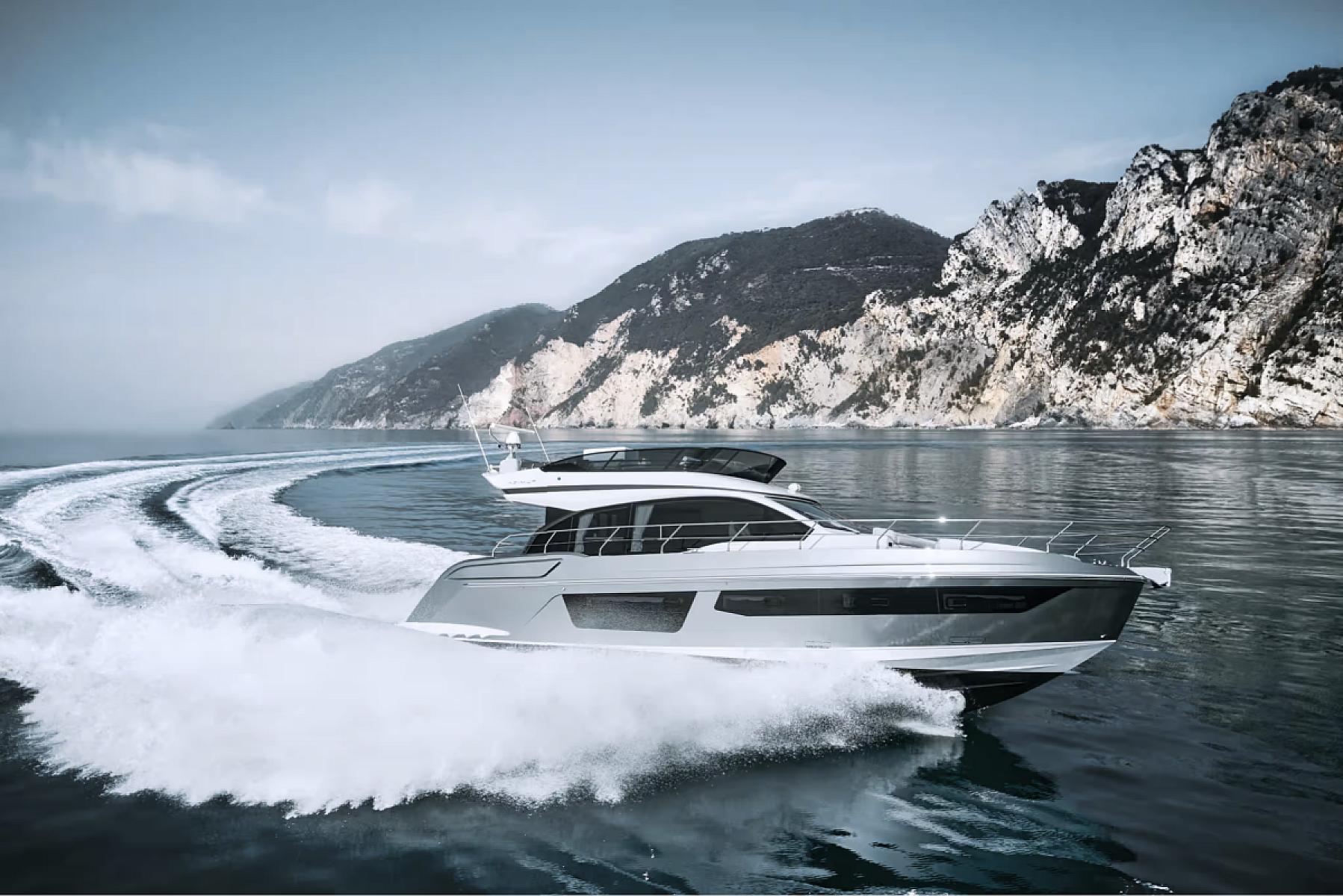
Tokenized yachts: The luxury yacht market is sizable and growing. In 2024 it was about $11.6 billion globally, projected to reach $17.06 billion by 2030 (≈6.6% CAGR) . Growth is driven by rising numbers of high-net-worth individuals and surging charter demand . Yachting is trendy (e.g. charter tourism, sustainable models) and has a growing base of potential participants. Tokenization is still new in this market, so tokenized yachts aim to attract investors who want exposure to this luxury sector.
Traditional rentals: Residential real estate fundamentals remain strong globally (housing is a basic need). Demand is influenced by demographics (urbanization, population growth) and affordability issues (keeping many people in rental markets). For example, in the U.S. high home prices and interest rates have pushed more people to rent . However, rental markets vary widely by region. In many cities, housing supply is tight, which supports rents. Caution: rising mortgage rates or local oversupply can cool prices or yields.
Tokenized Dubai: Dubai’s real estate is seen as dynamic and global. The emirate has many ongoing mega-projects and actively courts international investors. Recent data and reports emphasize strong growth: “the demand for property investment continues to rise, and Dubai’s real estate remains one of the most dynamic markets in the world” . The tokenization initiative itself is designed to complement this by making ownership accessible worldwide. With government backing and pioneering regulation, Dubai is positioning itself as a crypto-friendly real estate hub. Outlooks generally forecast continued expansion in UAE property, especially as global capital seeks high-yield assets.
Unique Advantages of Tokenized Yachts
Access to a luxury asset class: Tokenization lets investors enter the exclusive yacht market with much smaller capital. Instead of buying a multimillion-dollar vessel alone, you can own a share of a luxury charter yacht. This opens the high-end leisure sector (traditionally limited to the very rich) to more people .
Dual income streams: Investors earn from both charter revenue and asset value. Yacht chartering is a lucrative business (yacht operators often advertise 15–20% returns) . If demand for charters increases (as trends suggest ), token holders benefit through higher distributed income. At the same time, the yacht itself may appreciate as luxury assets become more scarce or valuable.
Blockchain-driven efficiencies: Smart contracts automate revenue splits and record-keeping, improving transparency . Investors can track earnings on-chain, reducing disputes. The blockchain ledger also provides clear, immutable ownership records. These features reduce administrative friction compared to a traditional co-ownership model.
Lifestyle and utility potential: Some tokenized yacht models plan to allocate usage rights. This means token holders might get priority for personal use of the yacht (when it’s not chartered) . In effect, investors could enjoy vacationing on “their” yacht periodically, blending investment returns with a lifestyle benefit – a perk absent in typical real-estate tokens or stock funds.
Hedging and diversification: Yachts do not always move in lockstep with real estate or stock markets. They are luxury goods tied to global tourism trends. Tokenized yachts provide a way to diversify into an alternative asset class. In a balanced portfolio, adding a small stake in a yacht fund could reduce overall risk.
In summary, tokenized charter yachts combine the growth potential of the luxury yacht market (projected to expand at ~6–7% CAGR ) with the advantages of blockchain finance (fractional shares, smart contracts, borderless investing ). This creates a unique investment option distinct from both traditional property rental and conventional real estate tokens.
Sources: Authoritative industry reports and guides on yacht tokenization , real estate tokenization , Dubai’s tokenization initiative , and property rental market analyses , among others cited above. Each fact and figure above is backed by these references.